

Autism in Black Girls: Masking, Late Diagnosis, and Signs to Watch For
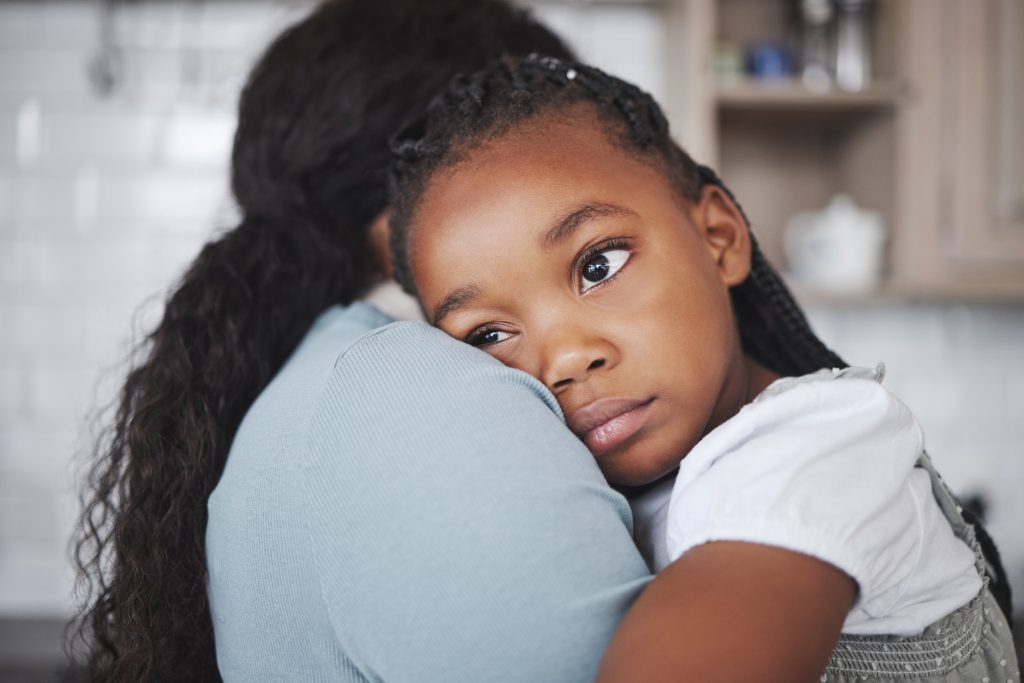
If you’ve been feeling like something doesn’t fully add up for your daughter, student, niece, or little sister, trust that instinct. A lot of caregivers notice patterns early, but the outside world keeps explaining them away.
“She’s just shy.”
“She’s very mature for her age.”
“She’s sensitive.”
“She’s dramatic.”
“She’s quiet, she’s fine.”
“She’s smart, she’ll grow out of it.”
Meanwhile, the girl herself is working hard just to get through normal days. She may look “okay” on the outside, but inside she’s exhausted from trying to fit in, keep up, and stay safe socially. That’s one reason autism in Black girls is often diagnosed late or missed entirely.
This article is here to make it easier to spot patterns that can otherwise be misunderstood, especially when masking is involved. It’s not about labeling a child for the sake of a label. It’s about understanding her needs, protecting her self-esteem, and getting the right support before burnout becomes her normal.
Why autism in Black girls is often missed
Autism is still widely misunderstood, and the stereotypes are loud. Many people still picture autism as a nonverbal little boy who avoids eye contact, has obvious repetitive behaviors, and struggles academically. But autism can look many different ways, and girls often show it differently than the “classic” picture.
When you add bias into the mix, it becomes even harder for Black girls to be recognized accurately. Their behaviors may be read through unfair assumptions. Their distress may be minimized. Their needs may be framed as attitude instead of access.
Here are a few reasons autism in Black girls is commonly overlooked.
Many Black girls learn to mask early
Masking is when someone hides autistic traits to fit social expectations. A girl might study other kids, copy what they do, force herself to smile, rehearse what to say, and push through sensory discomfort. She might look socially “fine,” but she’s using a huge amount of energy to maintain that image.
Masking can make autism almost invisible to teachers, relatives, and even some clinicians. The cost often shows up later as anxiety, shutdowns, depression, or burnout.
Quiet struggle is easier to ignore than loud struggle
Some girls do not disrupt class. They internalize. They freeze. They people-please. They become perfectionists. They get praised for being “easy,” so their needs go unnoticed.
This is especially true when a child has strong grades, strong vocabulary, or a “well-behaved” reputation.
Mislabeling happens fast
Instead of asking, “What is this behavior communicating?” adults might jump to “She’s being difficult.” Or the behavior gets labeled as anxiety, oppositional behavior, moodiness, or just “too sensitive,” without looking at the full pattern.
Autism and anxiety can overlap, and a girl can have both, but when autism is missed, she may only get treated for the surface symptoms while the underlying needs remain unmet.
Social expectations for girls can hide autistic traits
Girls are often expected to be polite, emotionally aware, and socially tuned in. When a girl struggles socially, she may work harder to compensate. She may become a “chameleon,” blending in while feeling disconnected.
That can delay recognition of autism in Black girls because her “effort” is mistaken for ease.
What masking can look like in real life
Masking doesn’t always look like acting. Sometimes it’s survival.
A girl may seem fine at school and then completely melt down at home. She may hold it together all day, then crash when she finally feels safe. Caregivers sometimes describe it as, “She’s a different child when she comes home.”
Masking can look like:
Forcing eye contact even when it’s uncomfortable
Laughing along even when she doesn’t get the joke
Copying phrases, slang, or gestures to blend in
Studying how other girls talk, dress, and react
Over-apologizing to avoid conflict
Staying quiet because talking feels risky
Being “the helpful one” to secure acceptance
Over-performing socially, then needing long recovery time
If you’re seeing signs of autism in Black girls, the home crash matters. It’s often the clearest signal that she’s expending too much energy to appear “normal.”
Signs to watch for at home
Autism is not a checklist of one or two traits. It’s a pattern. The most helpful approach is to look for consistent themes across time.
Here are common signs caregivers may notice with autism in Black girls.
Sensory sensitivity that impacts daily life
Some girls are highly sensitive to sound, light, textures, smells, or crowded environments. They might be “picky” about clothing, hate tags, refuse certain fabrics, or get overwhelmed in noisy spaces.
You might notice:
Strong reactions to loud or sudden noises
Refusing certain clothes because they “feel wrong”
Covering ears in busy environments
Getting overwhelmed during hair routines or grooming
Avoiding certain foods due to texture, not taste
Needing control over temperature, lighting, or space
Sensory sensitivity is not being dramatic. It’s the nervous system doing what it does.
Rigidity that looks like stubbornness
A need for predictability is common. Transitions can be hard. Unexpected changes can feel like a threat.
You might see:
Strong distress when plans change
Needing things done in a specific order
Trouble shifting from one activity to another
Big reactions to small changes that others dismiss
Fixation on fairness, rules, or routine
This can be mistaken for “attitude,” but often it’s about safety and predictability.
Deep interests and intense focus
Some autistic girls have intense interests that bring them comfort and joy. Sometimes those interests look typical on the surface (books, art, animals, music), but the intensity is high. She may research constantly, talk about it repeatedly, or prefer it over social interaction.
Emotional overload and shutdowns
Some children melt down. Others shut down. A shutdown might look like going quiet, withdrawing, refusing to speak, hiding, or seeming “numb.” It’s not defiance. It’s overload.
If your child is regularly drained after school or social events, that can be part of the picture of autism in Black girls, especially when she’s masking all day.

Signs to watch for at school
School is where many differences become more visible, but they can still be misunderstood. A girl can look like she’s doing okay while quietly struggling.
Here are some school-based signs that may show up with autism in Black girls.
Social confusion that gets hidden
Some girls want friends but struggle with the unspoken rules. They may take things literally, miss sarcasm, struggle with group dynamics, or be unsure how to enter conversations.
Instead of looking “socially awkward,” they may:
Stick close to one friend or one adult
Copy others to blend in
Become very quiet in groups
Come home exhausted from “peopling” all day
Get labeled as “mature” because they don’t engage in typical social play
Perfectionism and fear of being wrong
Perfectionism can be a coping strategy. If social situations feel unpredictable, a child may try to control what she can: her work, her behavior, her performance.
You might see:
Strong distress over small mistakes
Erasing repeatedly
Taking a long time to start or finish assignments
Avoiding participation unless she’s certain
Crying or shutting down after feedback
Difficulty with transitions and unstructured time
Lunch, recess, group work, assemblies, and substitutes can be especially difficult because they are less predictable.
A child may do fine in structured learning but struggle when the environment becomes noisy, chaotic, or socially demanding.
Social burnout: the hidden exhaustion
One of the hardest parts of missed autism is that the child often blames herself. She may feel like she’s failing at being normal. Over time, that can lead to anxiety and low self-worth.
Social burnout can look like:
Needing lots of alone time after school
Avoiding social events she used to enjoy
Irritability or emotional outbursts after masking
Feeling “done” with people quickly
Frequent headaches or stomachaches after social stress
If you see social burnout alongside other signs, it’s worth exploring autism in Black girls as a possibility, especially if the pattern is consistent.
Autism vs ADHD vs anxiety: why it can be confusing
Many families get stuck here because symptoms overlap.
ADHD can involve impulsivity, difficulty with focus, and emotional regulation challenges. Autism can involve sensory sensitivity, social differences, and a need for predictability. Anxiety can develop when a child feels unsafe, misunderstood, or overwhelmed.
A child can have one, two, or all three. The goal is not guessing. The goal is clarity, so support matches the real need.
If you’ve been told “it’s just anxiety,” but you’re noticing sensory issues, rigidity, social confusion, and masking burnout, it may be time to explore whether autism in Black girls is the missing piece.
When to consider an assessment
You do not have to wait for a crisis. Many families pursue assessment because they want to understand their child early, protect confidence, and reduce shame.
Consider exploring an evaluation if:
You see a long-term pattern, not a short phase
School or social life is consistently draining
Your child has frequent overload, meltdowns, or shutdowns
Sensory issues interfere with daily routines
Your child masks heavily and crashes at home
Feedback from school focuses on “behavior” but doesn’t explain why
Your child expresses feeling different, misunderstood, or “too much”
If you want a culturally competent pathway to clarity, you can start by exploring the Psychology for Black Girls Accessible Evaluations page and follow the steps that fit your needs.
What happens after you get clarity
A diagnosis or confirmation is not the end of the story. It’s the beginning of better support.
Support might include:
Helping the child identify sensory triggers and plan around them
Teaching emotional regulation skills without shaming
Adjusting routines and transitions at home
Advocating for school accommodations when needed
Supporting social skills in ways that respect her personality
Reducing masking pressure and increasing safe spaces
The most important shift is often internal: the child stops thinking she’s broken and starts understanding she’s wired differently. That shift can change everything.
If medication support is ever part of the conversation, especially when anxiety or attention challenges overlap, some families explore psychiatry as part of a larger care plan. You can learn more through Psychiatry Support if that becomes relevant for your situation.
How caregivers can support without changing who she is
A lot of girls have been taught, directly or indirectly, that they should be easier, quieter, less intense, less sensitive. That message hurts.
Support should never be about erasing the child’s personality. It should be about making life easier to navigate.
A few caregiver shifts can make a big difference:
Believe her when she says something is too loud, too much, too uncomfortable
Separate behavior from character
Protect recovery time after school
Normalize breaks and alone time as healthy, not rude
Help her build language for what she’s feeling
Celebrate her interests instead of mocking them
Teach boundaries as a skill, not an attitude problem
When a girl feels safe at home, she can stop performing and start breathing.
A small reminder matters too
When you’re in the middle of figuring things out, reminders can be grounding. Reminders that your child deserves support. Reminders that your instincts matter. Reminders that healing and self-understanding are real.
If you also like wearable reminders that reflect strength, community, and mental wellness, you can browse the Psychology for Black Girls Shop and choose something that feels aligned with the message you want to carry during this season.
Closing: trust the pattern, not the stereotype
If you suspect autism in Black girls, you don’t need to wait until everyone else agrees. You can start with observation, curiosity, and care.
Autism doesn’t always look like what people expect, especially in girls who mask, especially in girls who have learned to be “good,” and especially in girls whose struggles have been minimized.
Your job is not to force her to fit a mold. Your job is to understand her, protect her, and get support that lets her thrive as herself.