

Move Your Body, Calm Your Mind: Low-Pressure Movement for Stress Relief

If the phrase “exercise for mental health” makes you immediately think of intense workouts, strict routines, or pressure to “stay consistent,” I want to give you a different starting point.
You don’t need a new personality. You don’t need a perfect schedule. You don’t need to punish your body into being well.
You can use movement for mental health in a way that feels soft, doable, and supportive, especially on the days when you’re overwhelmed, anxious, burned out, or emotionally heavy. The goal isn’t to become an athlete. The goal is to help your body release stress and help your mind feel a little more spacious.
And if you’ve ever noticed that your mood shifts after a short walk, a stretch, or even cleaning your room with music on, you’ve already experienced the core truth: your body and your mind are not separate.
Why movement helps when your mind feels overloaded
Stress doesn’t only live in your thoughts. Stress lives in your body.
When you’re anxious, your shoulders tighten. Your jaw clenches. Your breathing gets shallow. Your stomach feels off. Your heart rate changes. You might feel restless, tense, or on edge, even if you can’t fully explain why.
That’s your nervous system doing its job: preparing you to respond to something that feels like a threat. The problem is that modern stress often doesn’t resolve quickly. It lingers. It stacks. It becomes a baseline.
This is where movement for mental health becomes powerful. Gentle movement can help your body complete the stress cycle. It can help your system shift out of constant alert mode and back toward calm. It can also give your mind a break from looping thoughts because your attention moves into the body.
That’s why movement doesn’t have to be intense to be effective. Sometimes the most helpful movement is the kind that brings you back to yourself.
If you hate working out, you’re not broken
A lot of people avoid movement because they associate it with shame. Maybe gym class was embarrassing. Maybe you’ve been judged for your body. Maybe you’ve tried strict plans that made you feel like a failure when life got busy. Maybe “fitness culture” has made movement feel like a performance instead of care.
If any of that is true for you, it makes sense that you’d resist it.
The answer isn’t forcing yourself into a routine you hate. The answer is choosing movement for mental health that feels supportive and low-pressure, so you can build trust with your body again.
What “low-pressure movement” actually means
Low-pressure movement means you move in ways that are accessible and realistic, even on hard days. It means you choose options that don’t require special equipment, long time blocks, or a big emotional push to begin.
It’s movement you can do when you’re tired. Movement you can do when you’re anxious. Movement you can do when your motivation is low.
Low-pressure movement can look like a five-minute walk, stretching while your coffee brews, dancing to one song in your kitchen, or shaking out your arms after a stressful call.
The standard isn’t “did I work out?” The standard is “did I support my body today?”
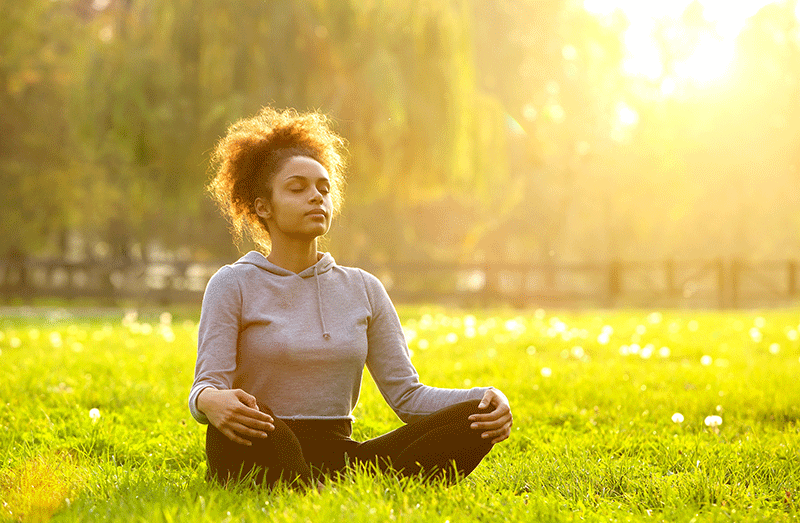
Start here: match movement to what you’re feeling
One of the easiest ways to make movement for mental health feel natural is to stop choosing movement based on what you “should” do and start choosing it based on what you need.
If you’re anxious and restless, your body may need discharge. Try brisk walking, dancing, stair stepping, or anything that helps burn off nervous energy.
If you’re depressed or heavy, your body may need gentle activation. Try a slow walk with music, light stretching, or a simple “one room tidy” movement.
If you’re overwhelmed and shut down, your body may need grounding. Try a slow stretch, rocking side to side, or breathing with gentle shoulder rolls.
If you’re angry, your body may need release. Try boxing the air, fast walking, deep squats, or shaking out tension.
If you’re exhausted, your body may need softness. Try floor stretching, legs up the wall, or a short mobility routine.
This is how you make movement feel like support instead of another task.
Walking for anxiety and stress: simple but real
Walking sounds too basic until you realize how much it helps.
Walking gives your brain rhythm. It gives your body repetitive movement that can feel regulating. It changes your environment, which can help interrupt spirals.
If you want to use movement for mental health through walking, start with a small promise you’ll keep. Ten minutes is enough. Even five minutes counts.
A helpful approach is “walk without a goal.” Not a weight goal, not a step goal, not a pace goal. Just a nervous system goal. Move your body. Notice your breathing. Let your shoulders drop. Let your eyes take in the world around you.
If you struggle with overthinking, try giving your brain a simple job while you walk. You can count your steps to 20 and start over. You can name five things you see. You can focus on how your feet feel hitting the ground. That is grounding in real time.
Gentle yoga for stress without the performance
Yoga can be supportive, but it can also feel intimidating if you think you need flexibility or a perfect routine. You don’t.
You can use yoga as movement for mental health without treating it like a fitness challenge. The goal is not advanced poses. The goal is to create space in the body and soften the stress response.
If you’re not sure where to start, keep it simple. Try a slow forward fold while breathing, child’s pose, or gentle hip and shoulder stretches. Hold for a few breaths. That’s enough.
What makes yoga helpful for stress is often the pairing of movement with breath. When you slow your breath, your nervous system gets the message that you’re safe.
Somatic movement: releasing stress that words can’t reach
Sometimes talking isn’t enough. Sometimes your body is holding stress that you can’t explain with language.
Somatic exercises are gentle movements designed to help your nervous system release tension. They can be small and subtle, like shaking out your arms, rolling your shoulders, or rocking your body slowly.
If you want to explore movement for mental health from a somatic angle, try this simple routine:
Stand with your feet planted and gently shake your hands for 20 seconds. Then shake your arms. Then shake your shoulders. Let your body move naturally. After that, pause and notice how you feel.
It can look silly. It can also be deeply relieving. Your body has been holding tension. It deserves a chance to let it go.
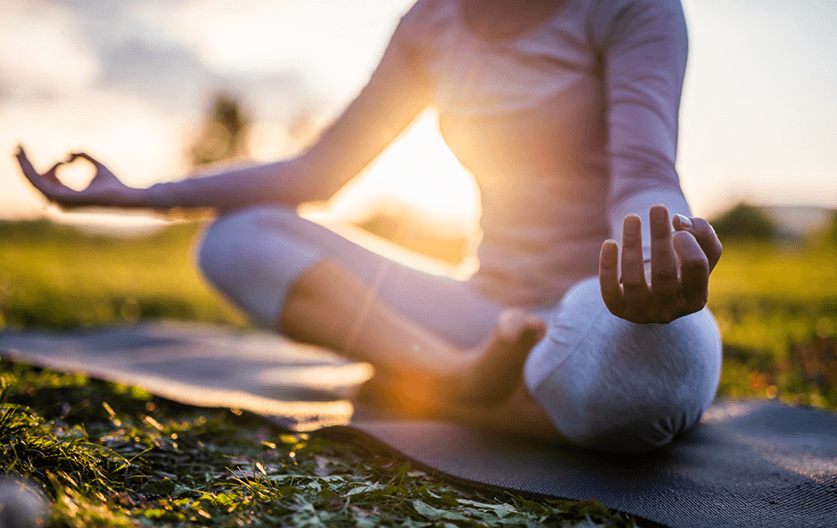
“One-song movement” for low motivation days
On the days when you can’t imagine a full routine, don’t ask for a full routine. Ask for one song.
Pick one song you like. Press play. Move however your body wants to move. Stretch, sway, dance, step side to side, roll your shoulders. When the song ends, you’re done.
That’s still movement for mental health. It still shifts your state. It still counts.
This works because it lowers the barrier to start. Starting is usually the hardest part. Once you begin, your body often wants more.
Movement for mental health when you’re burned out
Burnout changes how your body responds to pressure. When you’re burned out, even “self-care” can feel like another demand. So the strategy is to make movement feel like relief, not a requirement.
If you’re burnt out, choose movements that feel comforting: slow stretching, gentle walking, light mobility, soft music and sway, a warm shower followed by shoulder rolls. Keep it short. Keep it kind.
You don’t need to “push through.” You need to recover.
If you’re dealing with ADHD or executive dysfunction
Many people want routines but struggle to start. They can plan movement and still not do it. That’s not laziness. That can be executive dysfunction.
If you want movement for mental health but initiation is hard, try these strategies:
Make it smaller than you think it should be. Two minutes is fine.
Tie it to something that already happens, like after brushing your teeth or right after your morning coffee.
Remove decisions. Pick one default movement for weekdays and one for weekends.
Make it visible. Leave your walking shoes by the door.
Use momentum. Start moving before you talk yourself out of it.
If attention and overwhelm feel like a bigger pattern in your life, it can help to get clarity rather than self-blame. If you’re considering an evaluation pathway, you can explore Accessible Evaluations to see what support options look like.
Movement and depression: aim for “lighter,” not “fixed”
When you’re depressed, it’s common to feel like nothing will help, or like movement is pointless because you still feel heavy.
The goal isn’t to become instantly happy. The goal is to feel 5 percent lighter. That’s enough to build.
Try gentle movement with low friction: a slow walk around the block, stretching on the floor, standing in sunlight and rolling your shoulders, doing a few squats while your food heats up.
Movement for mental health in depression is about small sparks. Small wins. Small proof that your body can still support you, even when your mind feels low.
Build a personal “stress relief menu” instead of a strict plan
Strict plans often fail because life is unpredictable. A menu works because it gives options.
Create a small menu of movements that match different moods:
A calming option: slow stretch, breathing with movement, gentle yoga.
A discharge option: brisk walk, dancing, stair stepping.
A grounding option: slow walk, rocking, gentle mobility.
A comfort option: warm shower stretch, legs up the wall, light stretching in bed.
Then pick what fits the day. That’s sustainable movement for mental health.
When movement isn’t enough and you need more support
Movement helps, but it’s not a replacement for deeper care when symptoms are intense.
If anxiety or depression is significantly affecting sleep, daily functioning, appetite, focus, or your ability to cope, support can include therapy, evaluations, and sometimes psychiatry care as part of a bigger plan.
If medication management is something you want to understand without fear or shame, you can explore Psychiatry Support and see what that pathway looks like in a culturally competent setting.
Support is not “either movement or care.” It can be both.
Make your reminders visible
Consistency is easier when your environment supports you.
Sometimes the reminder you need is emotional, not motivational. A reminder that rest is valid. That support is strength. That you’re allowed to start small.
If you like wearable reminders that reflect mental wellness and community, you can browse the Psychology for Black Girls Shop and choose something that feels aligned with the message you want to carry, especially on the days when showing up for yourself feels hard.
Closing: keep it small, keep it real
You don’t need a perfect routine. You need a reliable way to shift your state.
Movement for mental health works best when it’s low-pressure, flexible, and kind. A walk counts. A stretch counts. One song counts. Two minutes counts. What matters is that you keep coming back to your body as a place you can return to, not a problem you need to solve.
Start with what you can do today. Then do it again tomorrow, in whatever small form fits. That’s how calm is built.